Artificial Intelligence and Machine Learning
Does the product support the use of NLP (natural language processing)?
How and where is NLP utilized in your product? Specify the functional or process areas and highlight the practical uses. Consider the following examples:
· Matching knowledge to chat entries
· Matching knowledge articles to incidents
· Matching new incidents to past incidents
· Matching incidents to problems
· Matching incidents to changes
· Matching incidents to IT assets
· Matching incidents to configuration items
The Citsmart x V10 platform uses NLP, AI (GenAI, Tensor Flow, OCR) and ML to perform all environmental analysis, whether process-based or infrastructure-related.
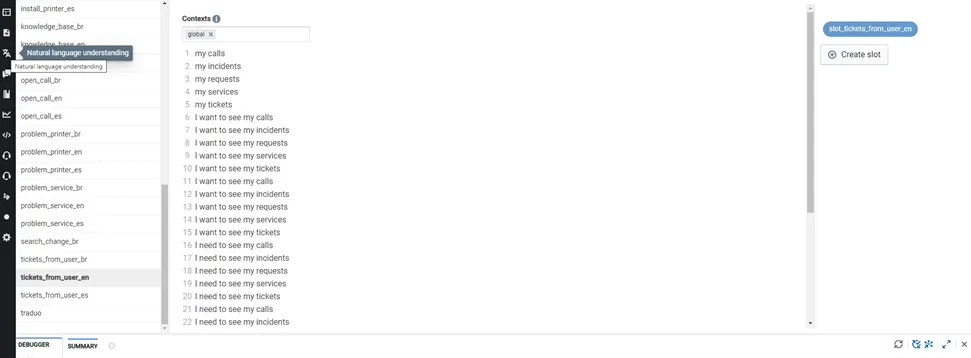
Every NLP language initially depends on curation based on the client's main business to then generate improvements based on machine learning.
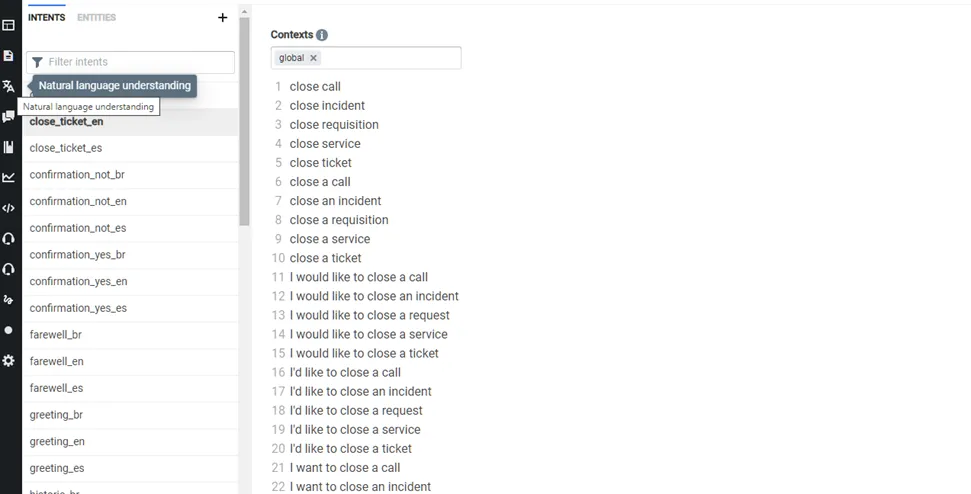
Some examples:
Knowledge base search via Chat using NLP for any need, not just processes.
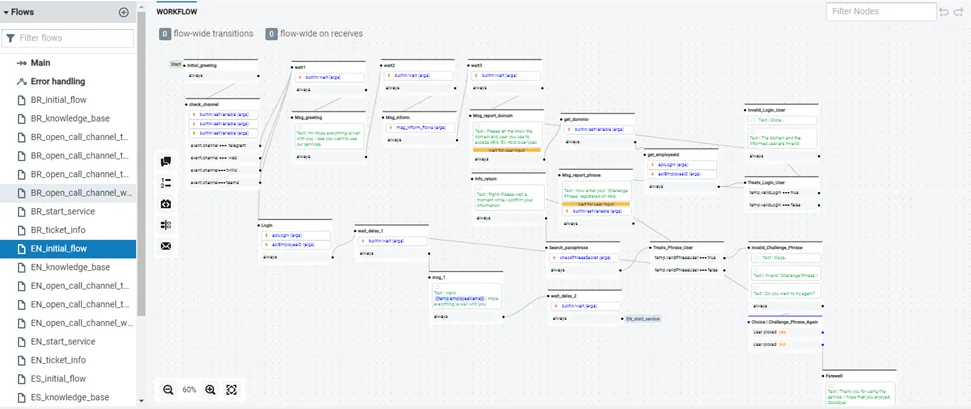
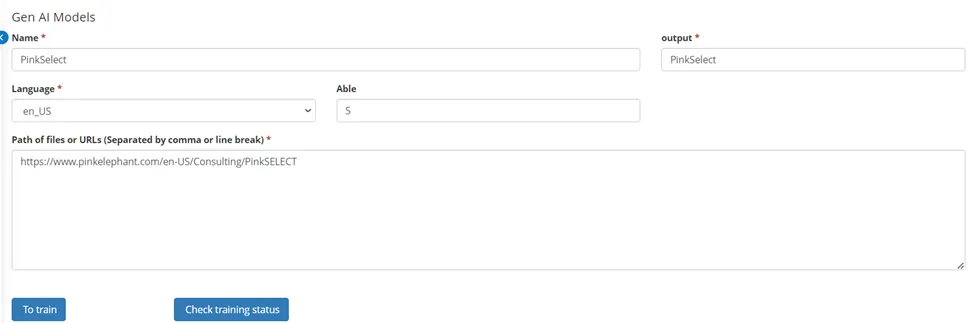
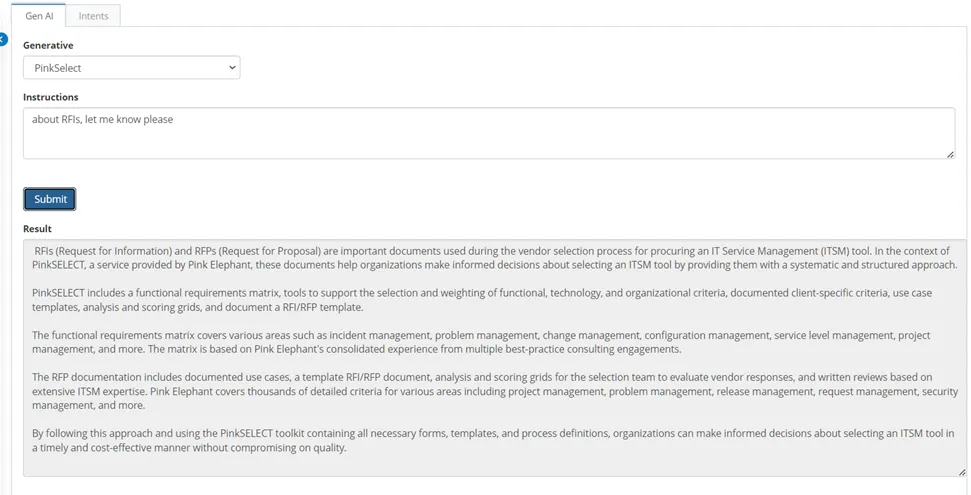
Using OpenAI or GenAI for search content from neural networks and webpages .
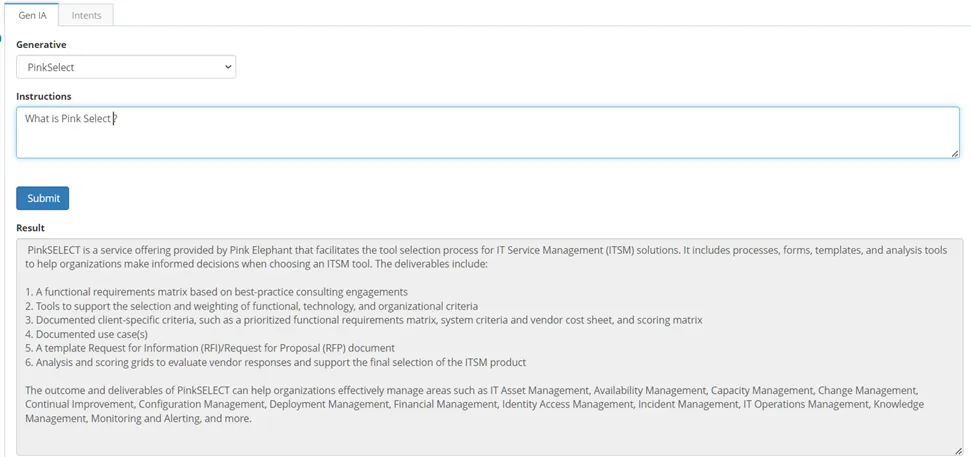
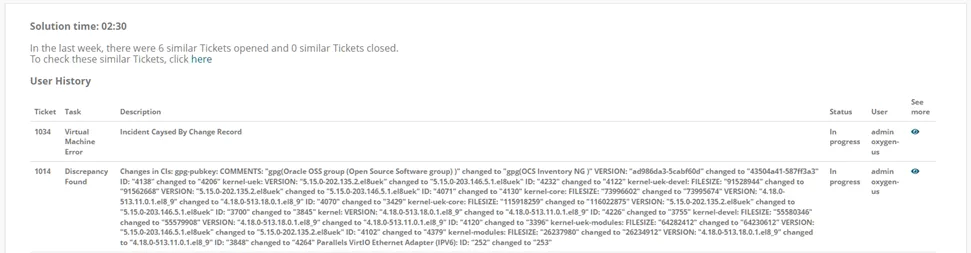
Matching current and old incidents, requests, changes, automatic relationship of incidents with assets and infrastructure predictability and forecasting.
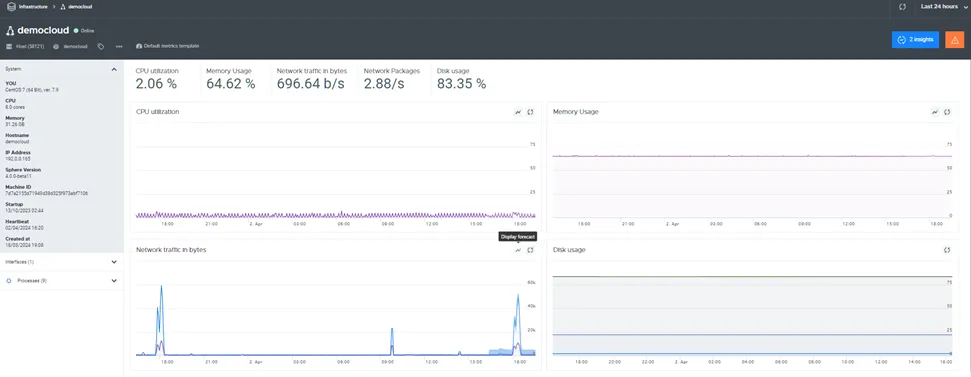
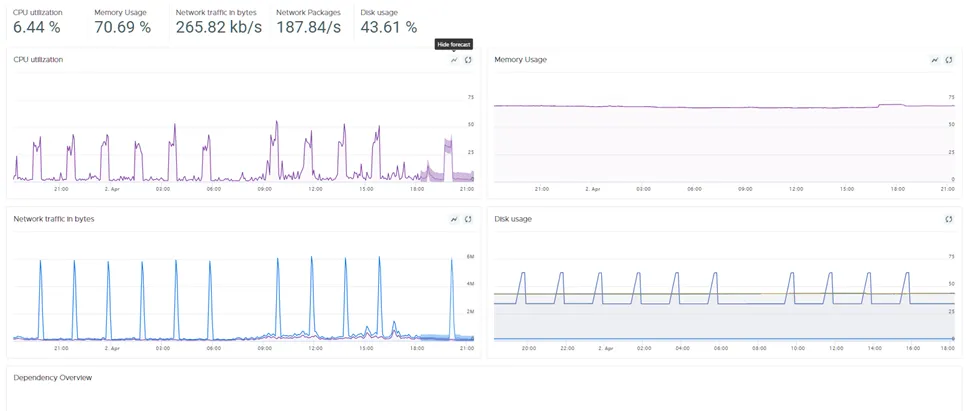
At this point the platform use machine learning for crete recommendations and forecast based on environment behavior.
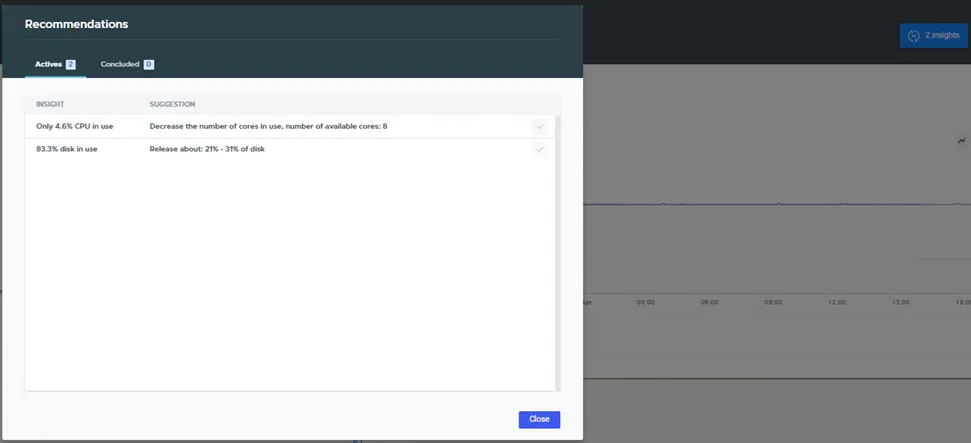
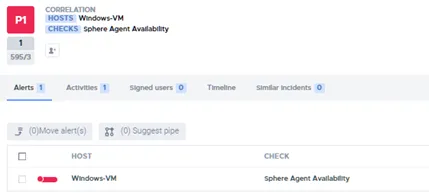
All possible and currently events/incidents can be “lab” in platform for add more “knowledge” and platform understand how can fix different events and correlated events using machine leraning.

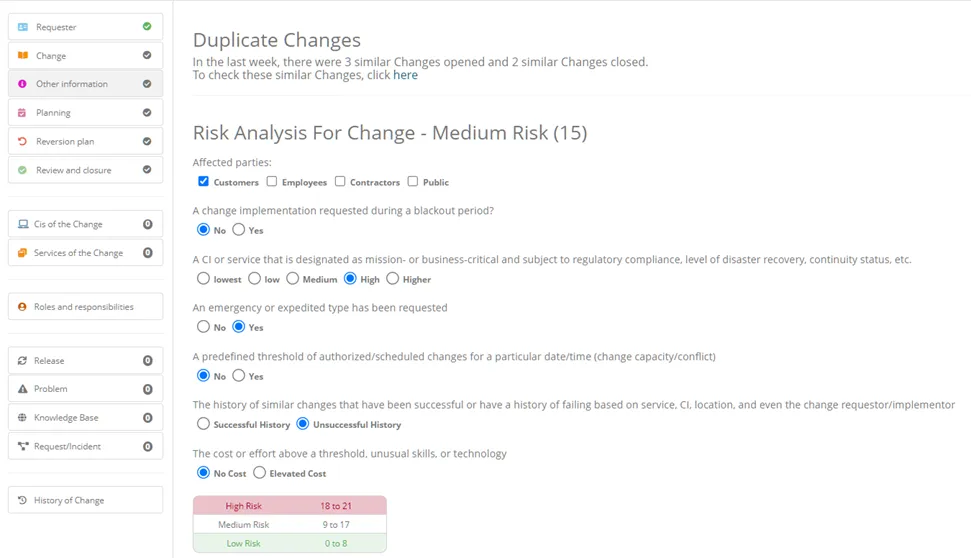
Also all change content related based on process usage will be checked by AI and duplicated records will be presented to analyst.

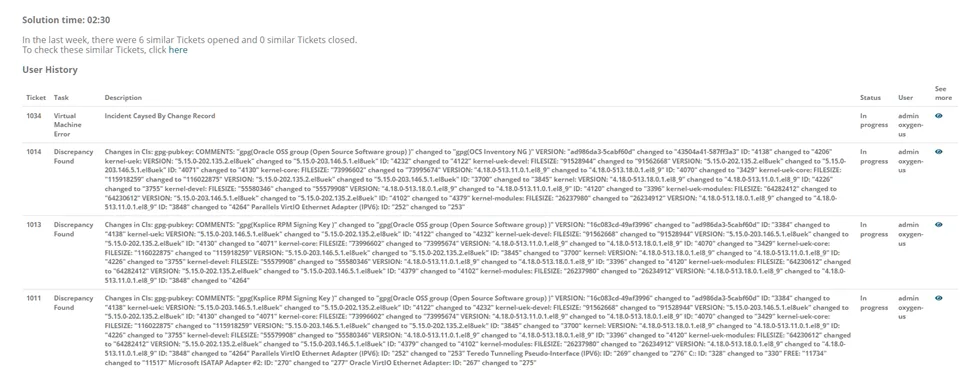
The AI will calculate de average solution time when incident or request is created using all previously tickets.
Does the product support the use of trainable AI, including predictive analytics?
Where and how is trainable AI applied within the system, and what are the practical uses? Consider the following examples:
· Systematic risk assessment of changes
· Systematic matching of incidents and problems
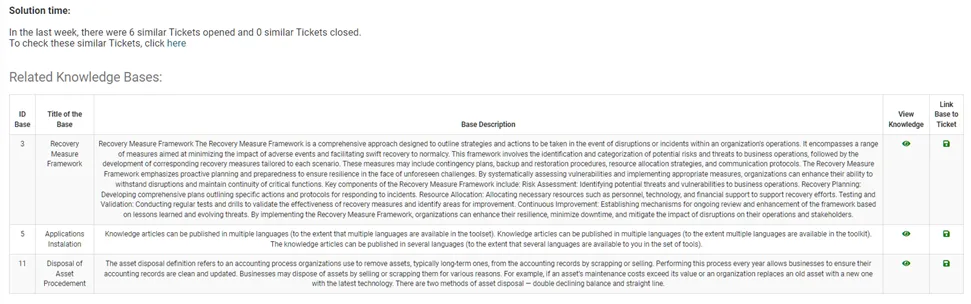
· Systematic presentation of knowledge articles
· Systematic dependency mapping
· Negative integration interactions
· Predictive analysis based on trending information
How explained before all content used in process on platform can be used by system for delivery suggestions for each process, including infrastructure and security environment.
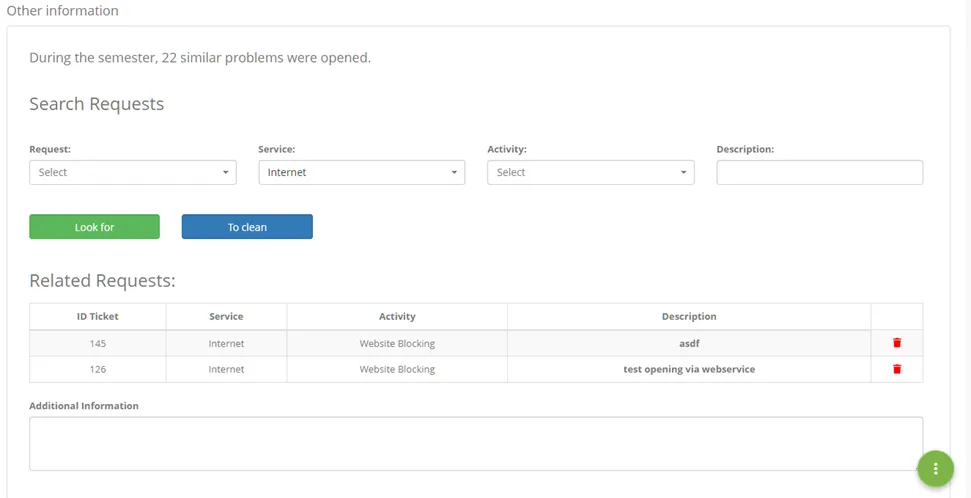
On problem process the platform show hoe many problems there are and all relationship with incidents created.
Does the product support the use of chatbots?
Where and how are chatbots used within the system, and what are the practical uses? Some examples include, but are not limited to:
· Test data only
· Text and voice data supported
· Natural language generation
· Real-time language translation
· Virtual agents
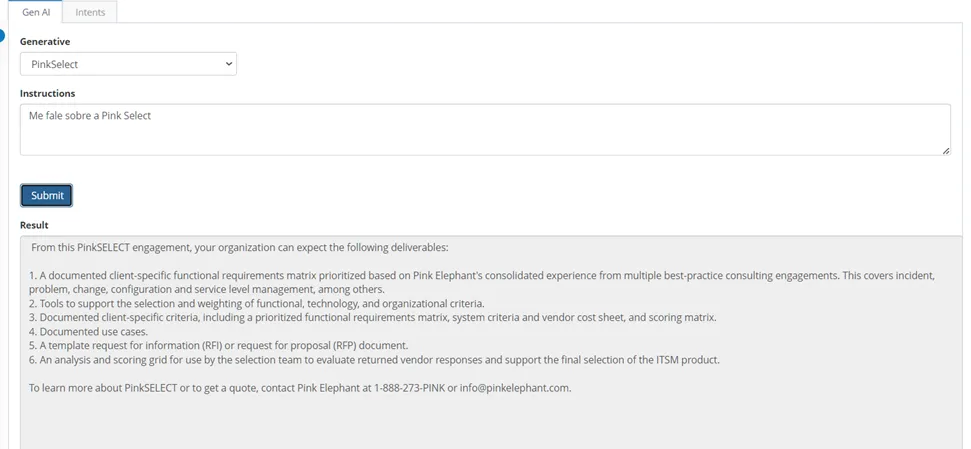
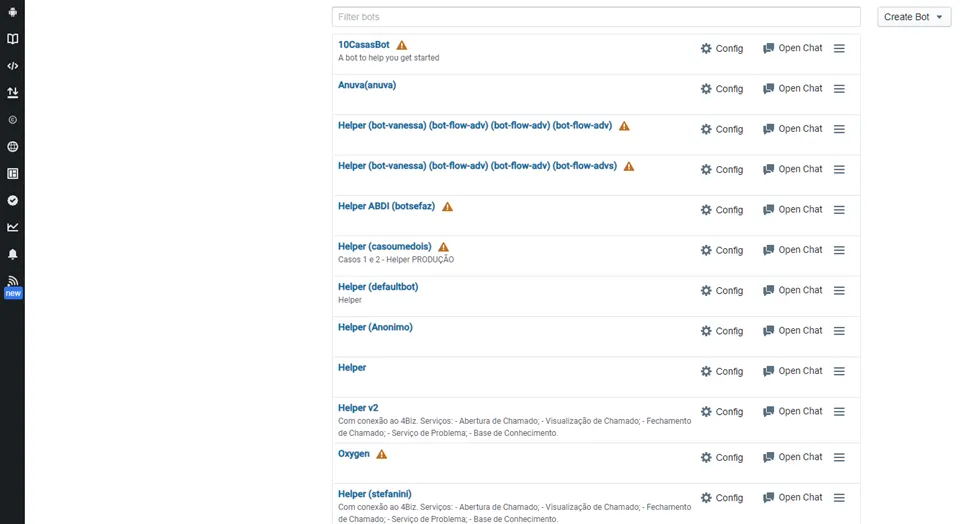
Citsmart X use chatbots with NLP and NLU that can use Open AI and GenAi for chatbot training (content, curacy and machine learning).
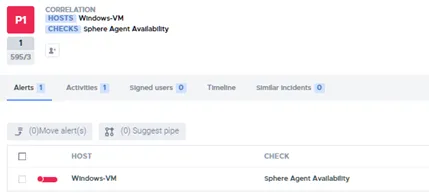
Is the AI/ML capability used for the monitoring and alert correlation capability?
What are the practical uses of AI/ML for monitoring and alert correlation within the product? Some examples include, but are not limited to:
· An overall technical landscape analysis with different focus areas, such as:
o Risk
o Performance
o Cost
o Security
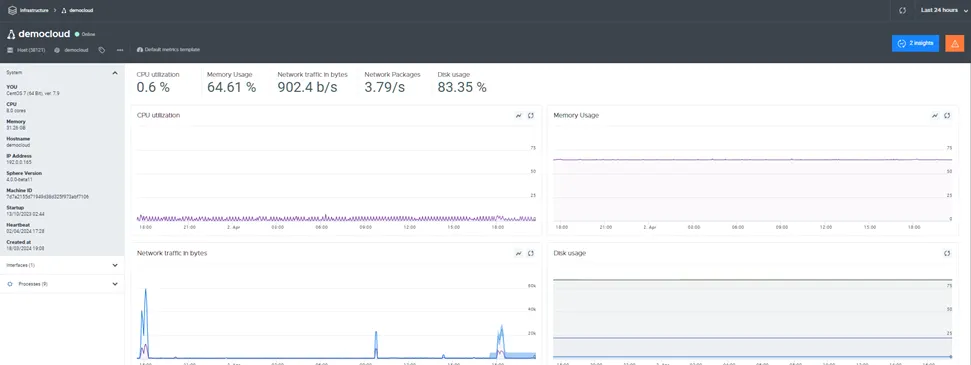
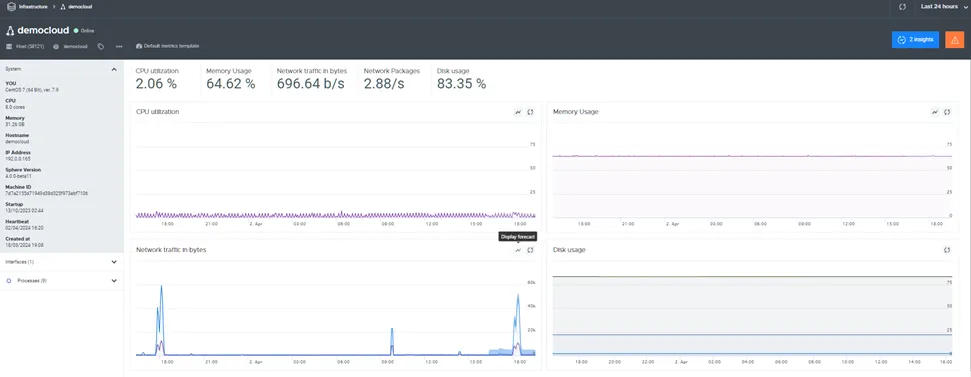
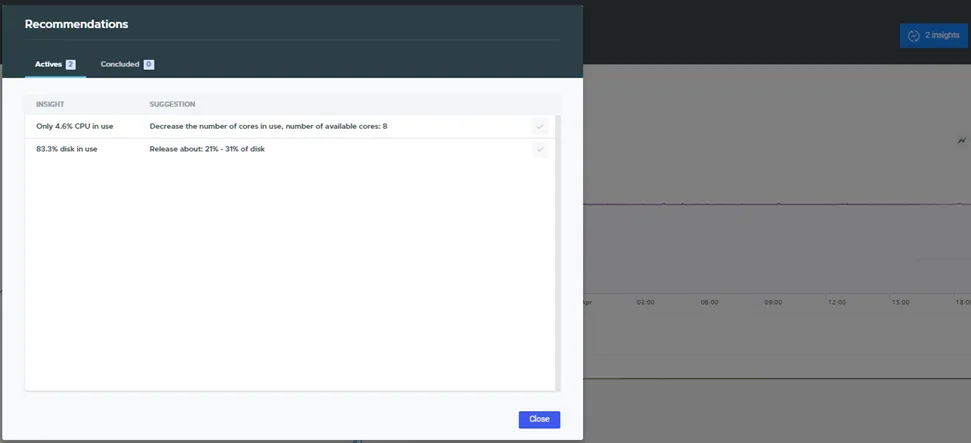
The infrastructure platform uses machine learning for present forecast for each device component and environment behavior. All information gathered from APM, RUM can be used for calculate and present rick, performance, costs and risk forecast.
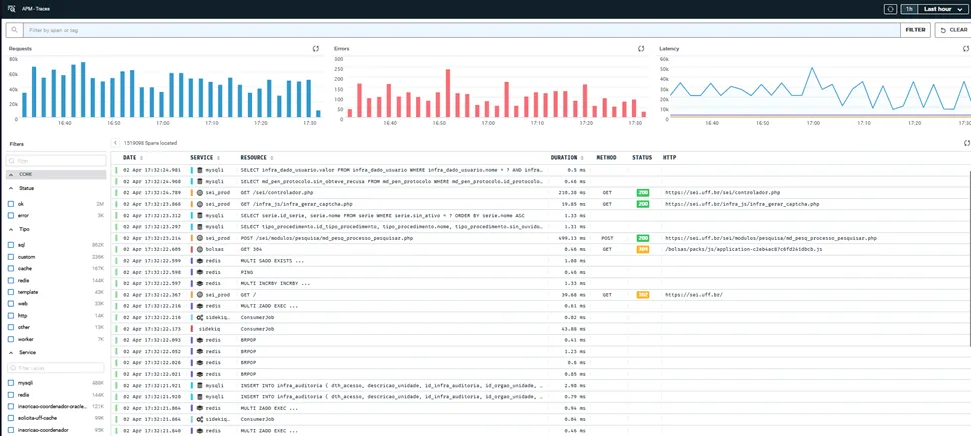
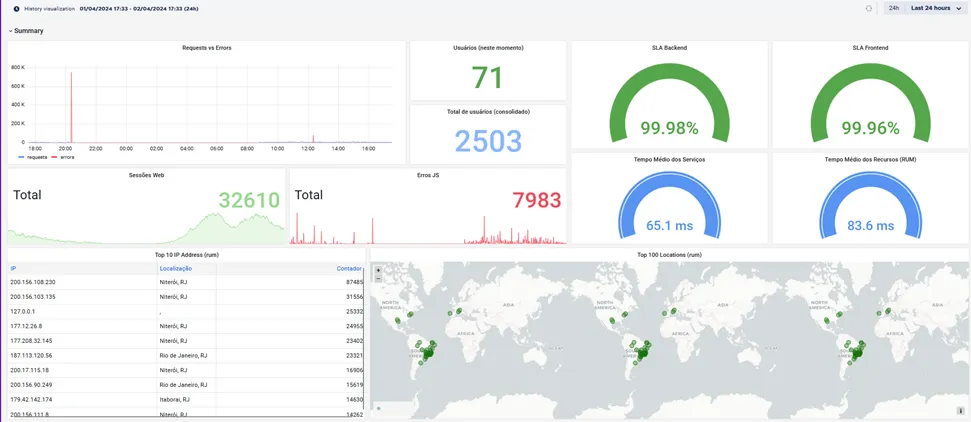
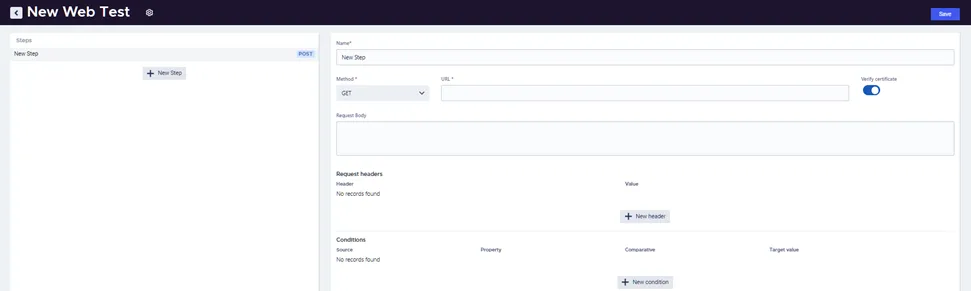
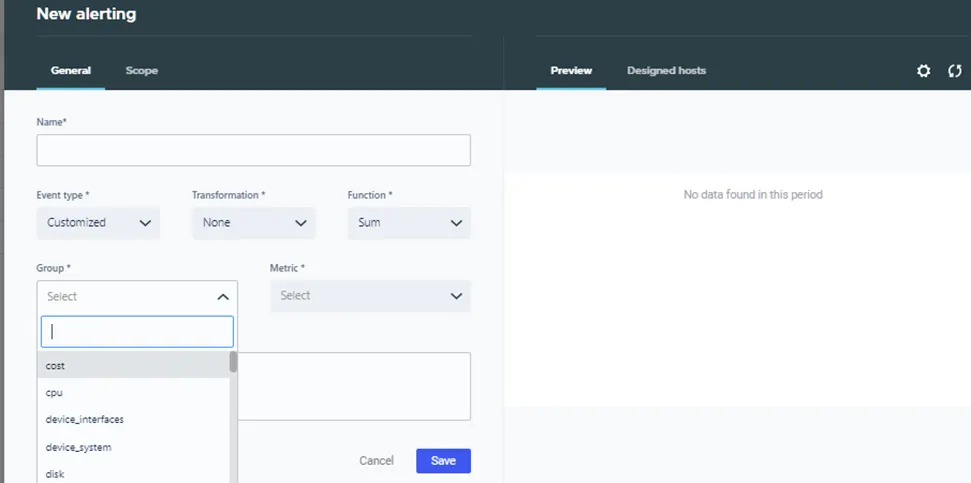
Can the AI/ML capability within the product be used to identify trends within the infrastructure where there is no direct impact, and regardless of predefined thresholds, can trigger proactive improvements/investigations?
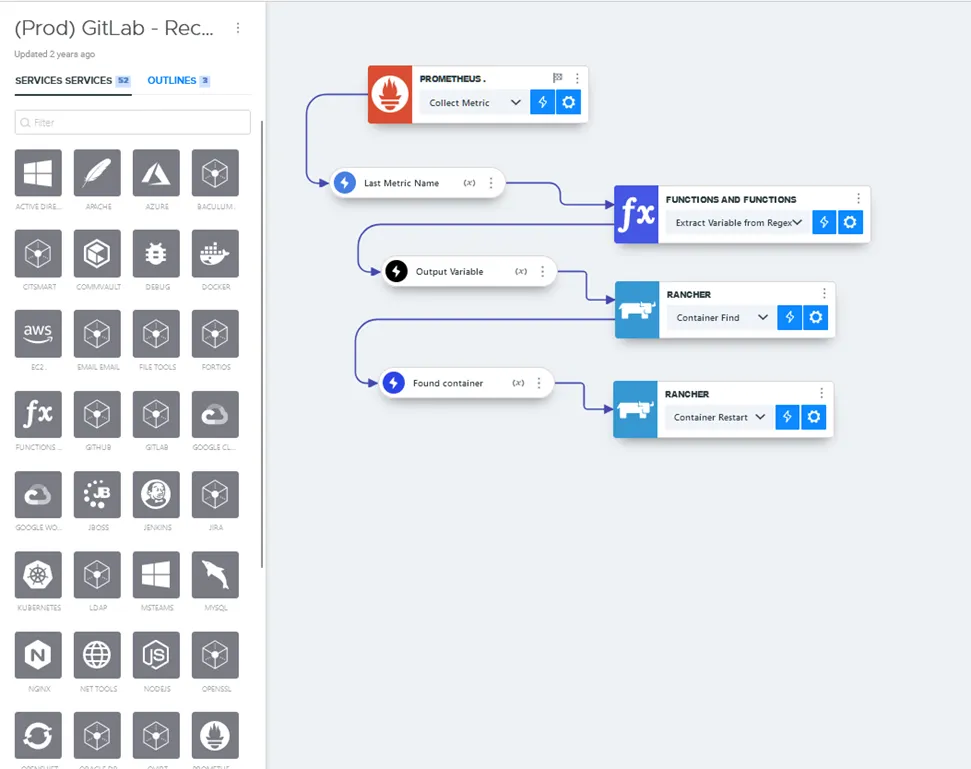
Alerts and Threshold can be defined for trigger events in forecast that can be lab and linked in pipeline workflows learning the system how fix or adjust environment capabilities and capacity for reduce costs, increase performance, present risks and security. (System get source IP and geolocation that can be blocked via blacklist).
Does the product utilize, natively or through integrations, generative AI capabilities?
Describe the practical uses of generative AI within your tool/tool suite. Examples may include, but are not limited to:
· Social media sentiment
· Text summarization
· Graphic/video analytics
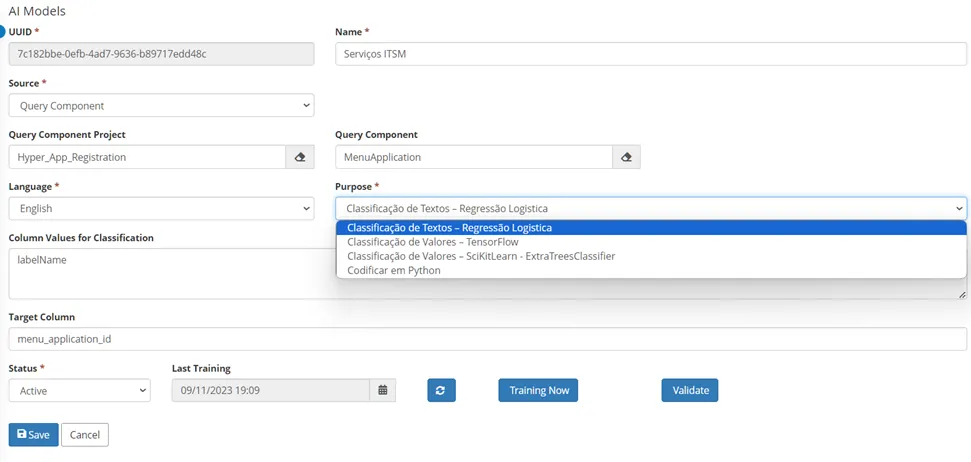
Platform use GenAI natively and can integrate with OpenAI for use Generative Algorithms, Tensor flow, OCR, Values Classification and Text Classification.
Identify other AI/ML capabilities that are utilized by your product and describe their practical uses.
AI´s ML´s adoption has surged due to its potential benefits, which include improved Mean Time to Repair (MTTR) and streamlined operations through process augmentation and code generation. The platform excels at summarizing IT events and effectively communicating with both the broader I&O team and business stakeholders using nontechnical language.
It can extract and summarize information for incident resolution from existing knowledge articles and historical incidents. Furthermore, AIML ensures that all available information related to major incidents is structured into a post-incident review (PIR) document, facilitating faster root cause analysis (RCA), including for infrastructure and security environment.
Events and alarms in IT systems convey crucial information, but their cryptic nature often requires a skilled person, typically the subject matter expert (SME), to decipher them in order to take further action, including communicating with business stakeholders.
Incident Diagnosis and Resolution with AIML allows for efficient scanning of text from multiple sources such as documents, chat messages, and forums. It highlights specific commands or relevant paragraphs to assist in resolving ongoing incidents. Can extract useful information from past incident records, such as the on-call personnel involved and the sequence of activities that led to incident resolution, as well as provide cautions related to time-consuming activities through appropriate prompting or querying.
Post-Incident Review: Segmentation/Classification and Content Generation the AIML can create a timestamped sequence of events based on information associated with major incidents, such as incident notes, sequence of alarms generated, chat logs, and conference transcripts.
This accelerates the review process and provides relevant teams with the necessary information to conduct a thorough root cause analysis. The raw data for the PIR must be collated into one contiguous file before AI can segment/classify and generate a timestamped sequence of events and tasks leading up to the resolution of the incident.
Automating RCA using AIML is not advisable, and human involvement is crucial when using algorithmics in this area. Given that the technology is still in its early stages of application to real-world data, confusion between causal relationships and correlating factors for incidents can undermine the purpose of RCA either if came from Infrastructure and security events.