Catalog functionalities
Requirements for the service catalog views and information provided in the catalog from service providers, customers, and users, can be documented
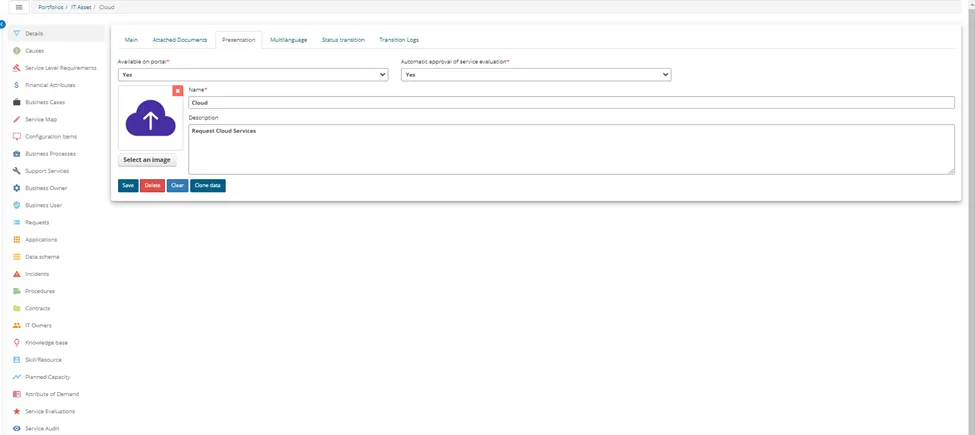
All service catalog information can be documented on service catalog design. There are exist all attributes form design and describe all service items, including relationship with contracts (Vendor, Underpinning, Customers, Service Owners, Business Owners, Cause and Close Category, Financial attributes and Service Components dependencies
______________________________________________________________________________________________
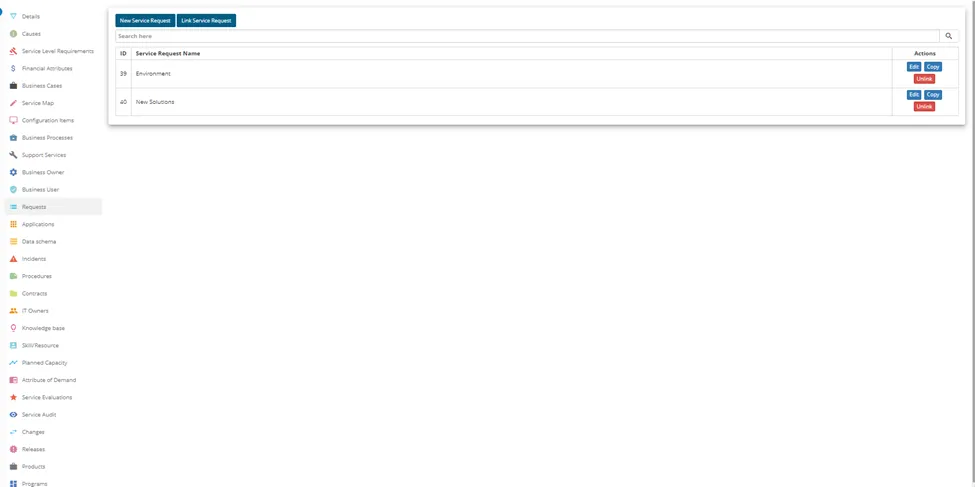
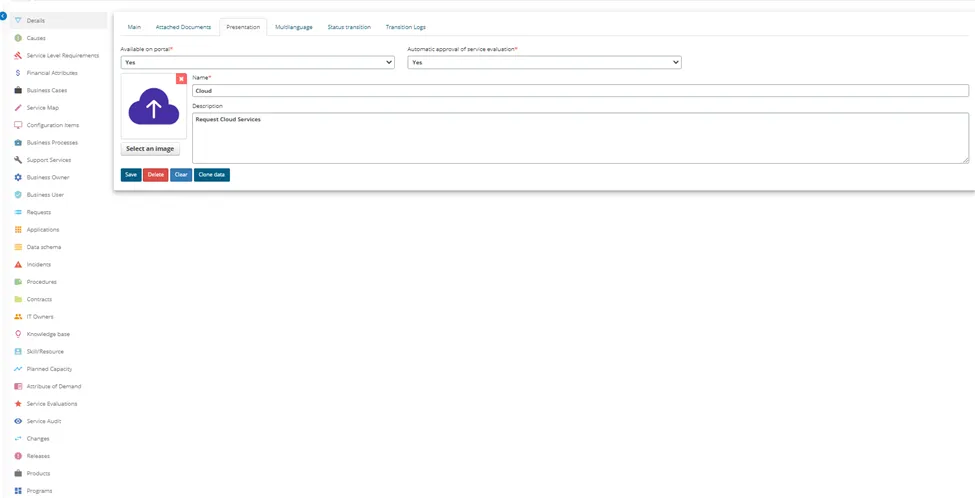
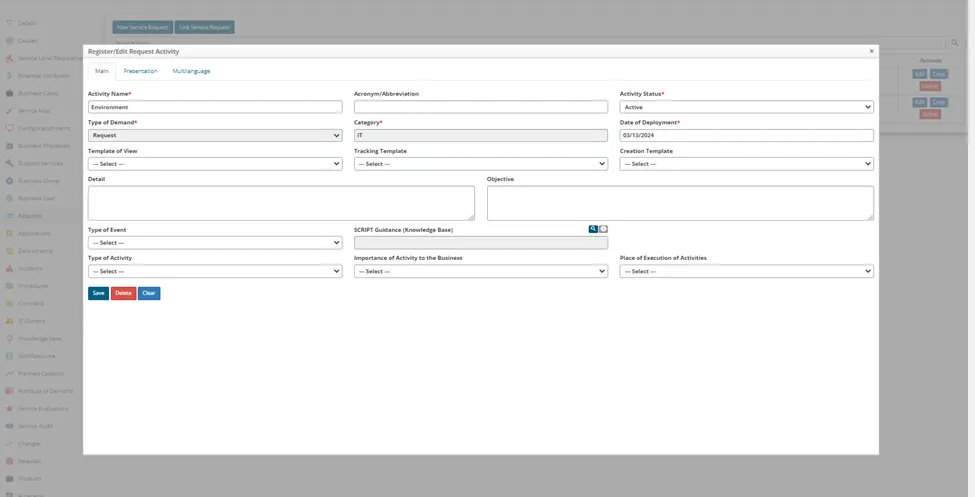
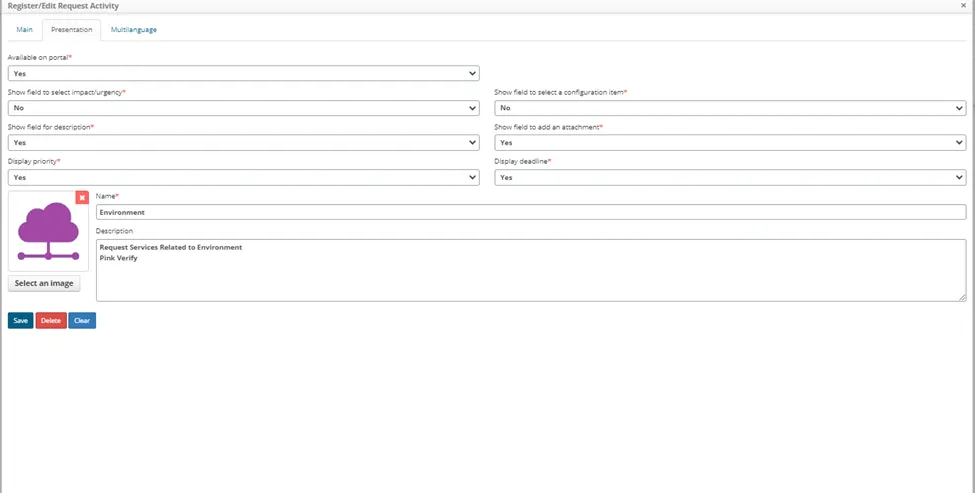
Supports the definition and description of all services, the offering of services and products, a product description related to the services, as well as the identification of requests related to the services Supports the ongoing management and maintenance of this information
All requests and Incidents can define the offering of services and products, a product description related to the services, as well as the identification of requests related to the services. Customize workflows, costs, forms can be designed on service catalog
______________________________________________________________________________________________
Supports the identification of service owners, related product owners, and other critical stakeholders of the services
Supports the ongoing management and maintenance of this information
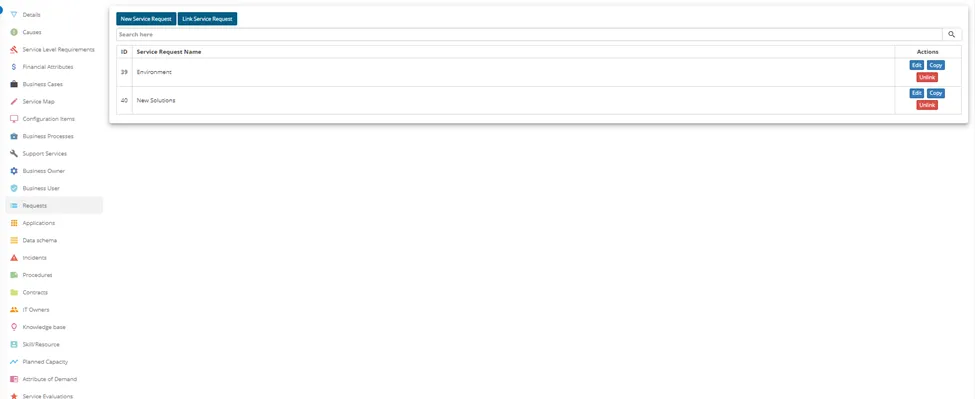
All service attributes are available for fill on service design screen
______________________________________________________________________________________________
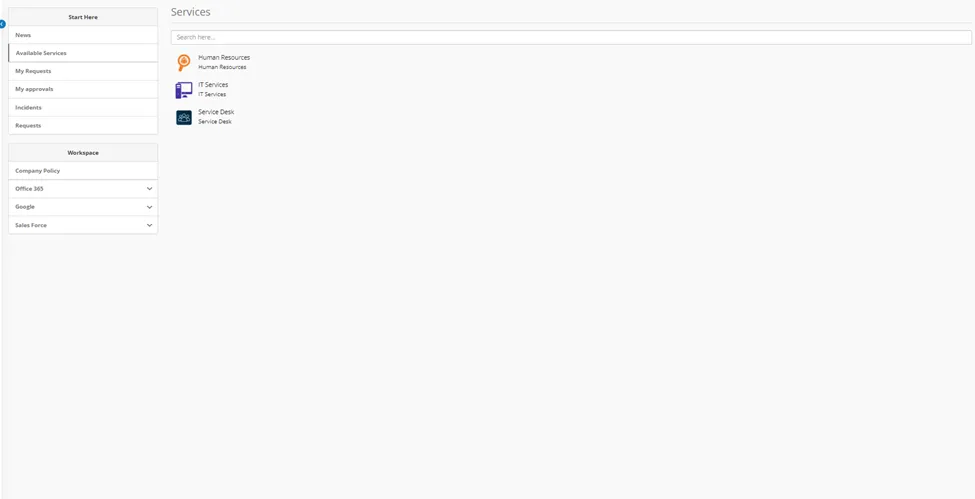
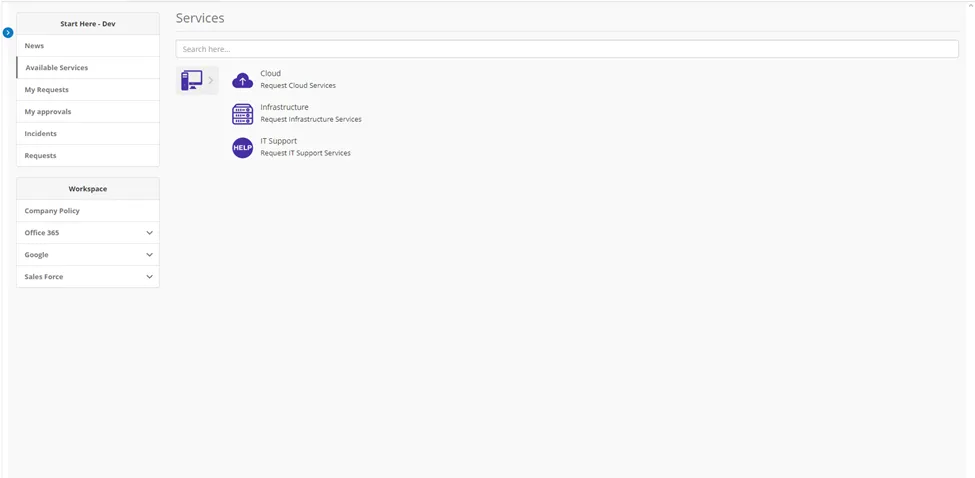
Supports the ability to identify, define, and present different catalog views by the customer or consumer groups
Supports the ongoing management and maintenance of the views
If the toolset supports multi-tenancy, this criterion must be accomplished within a single tenancy.
Based on customer security group, role or RBAC can be used for define what will be each service that customer can use/consume.
______________________________________________________________________________________________
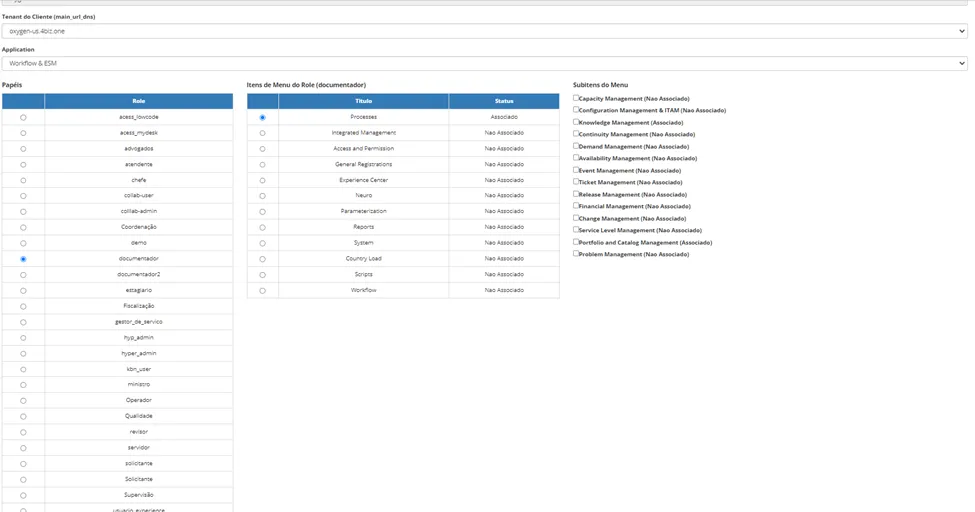
Ensures user access, eligibility, and entitlement by restricting access to views, as well as access to views of services and/or requests based on role-based security, user ID, department/cost center, location, etc.
Supports the ongoing management and maintenance of this access and eligibility
Based on customer security group, role or RBAC can be used for define what will be each service that customer can use/consume. The profile information and security rules area available on platform security administration
______________________________________________________________________________________________
Does the product provide or support a client-configurable, actionable, customer/user-facing service catalog that does the following? This must include, at a minimum:
· Presents general information about the service provider
· Allows for the categorization of services and the presentation of services by category
· Presents information about the published services, description and purpose, eligibility, entitlement, and actionable requests
· Presents information regarding service value and intended outcomes and dependencies
· Presents information about supporting vendors, contracts, and relevant warranties
Alternately, where clients wish to use their own website for the published service catalog, the product must support a seamless integration with the website to enable the above functionality. This must include, at a minimum:
· Linking or relating customer-facing services on the external website to service records within the service and component repository
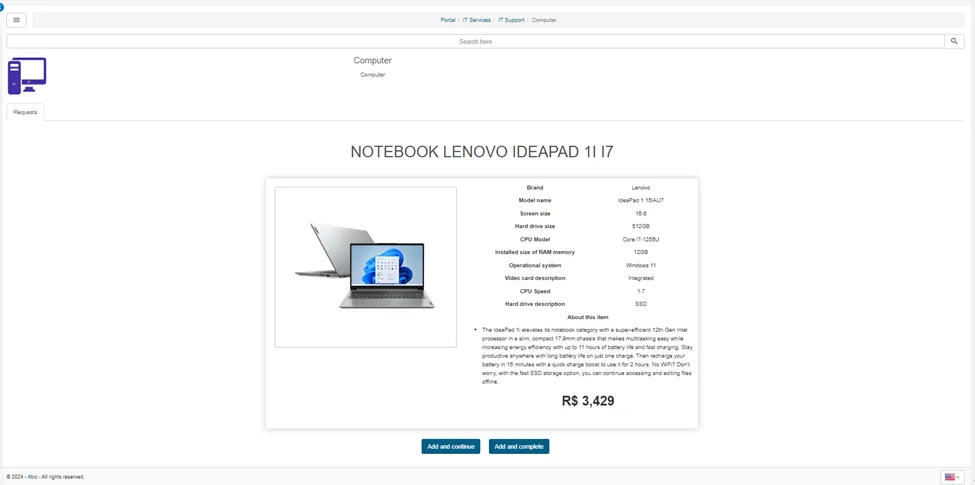
Yes, customer can design each service catalog offer with information, links and if need to submit from external website, the portal can be embed on external site or API can be used.
______________________________________________________________________________________________
The service catalog is fully underpinned by the service and component repository and the IT asset repository. This must include, at a minimum:
· Services published on the catalog are directly linked to or reference the service records within the repository and by relationship association to the component records
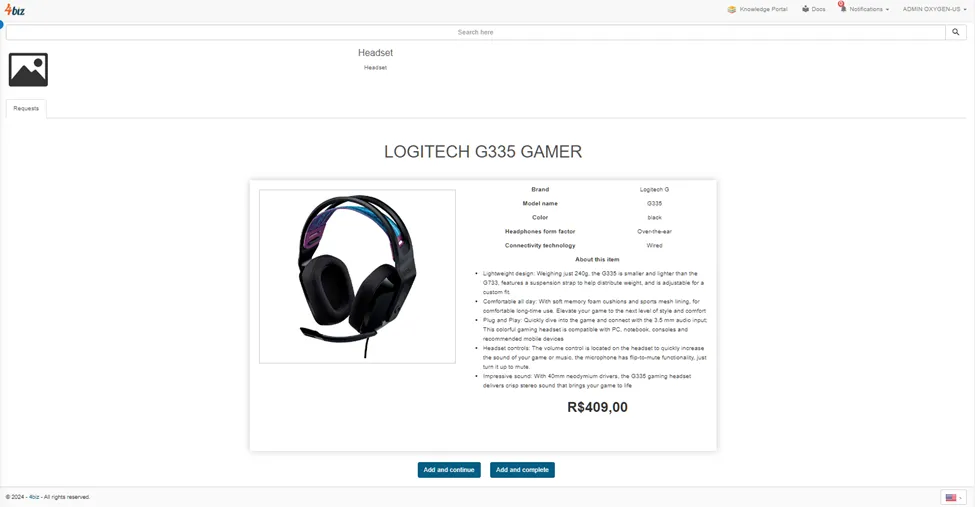
· The ability to view products (IT assets or components in a product catalog) and product information that is available through services and requests
· Requests submitted from the service catalog are directly linked to the request/fulfillment workflows
· Incidents submitted from the service catalog are directly linked to the incident records
Supports the ongoing management and maintenance of this relationship information in conjunction with configuration management and IT asset management
All service and components provided on service catalog are linked with IT Asset components and on IT Asset Management a Stock control can be used for create new purchase request.
______________________________________________________________________________________________
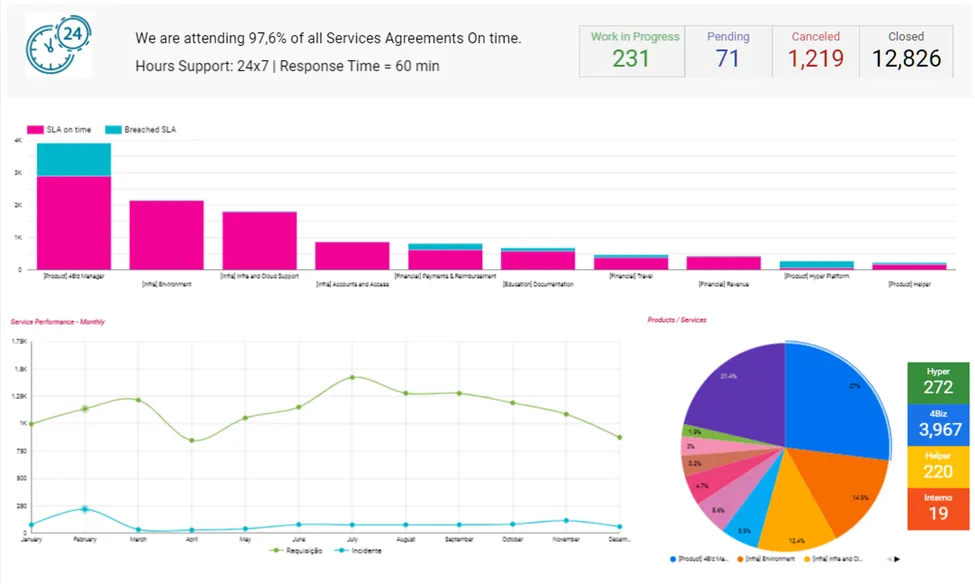
Service level and support level expectations related to services can be presented to customers and users in the service catalog; examples of this can include but are not limited to:
- Service availability, reliability, and performance expectations
- Support expectations that include how to obtain support, hours of support, support responses, and resolution expectations
On service portal, all service metrics are available for customer check and understand the service level and support level expectations related to services can be presented to customers and users in the service catalog.
______________________________________________________________________________________________
Requests can be published on, and accessible via the service catalog; this must include, at a minimum:
· A searchable list of requests, in addition to requests grouped by service
· Presents request information and expectations that include descriptions, instructions, eligibility, approval requirements, and fulfillment expectations
· Users can select a request, complete request forms, and submit them via the catalog
· Supports the ability to apply user information to the request form based on user login credentials, reducing the amount of data entry
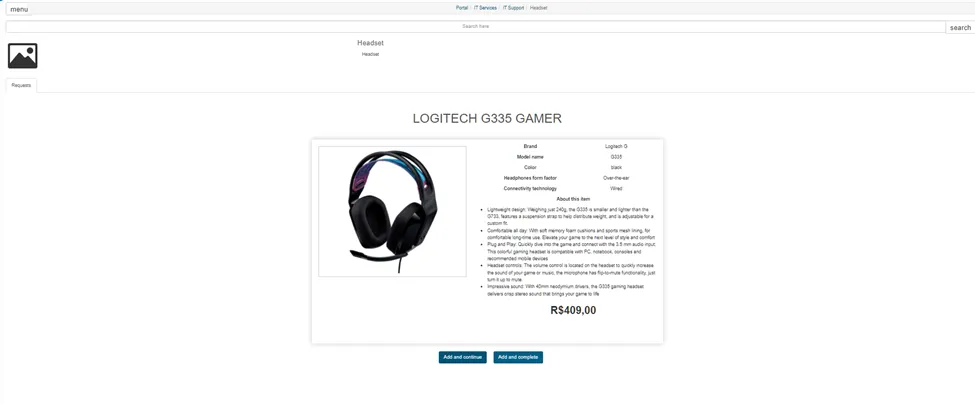
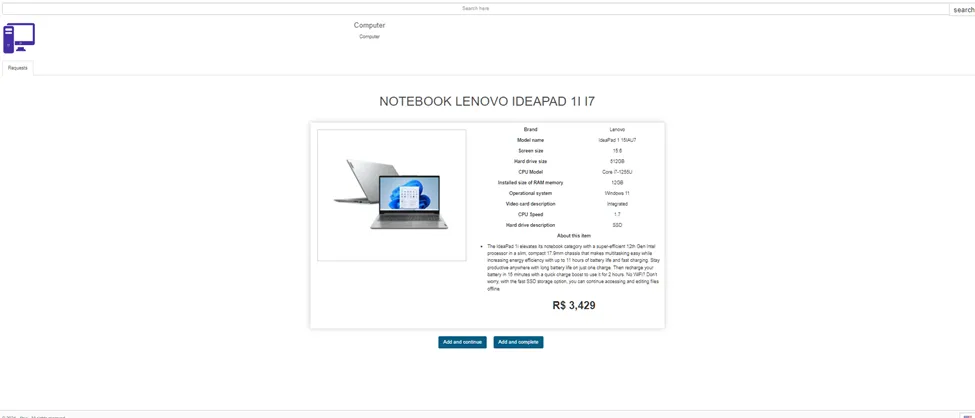
· Users can select available products within specific requests, where appropriate
· Users can view the status of their submitted and active requests
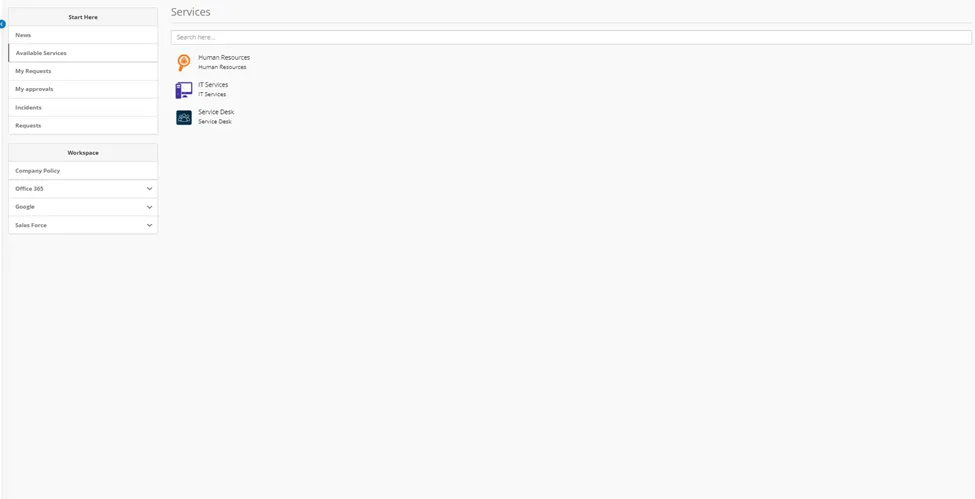
Yes, it does. All service catalog items are available based on login/password/security roles and detailed information can be provided on service description and forms. Service Shopping Cart can be used if available for customer.

______________________________________________________________________________________________
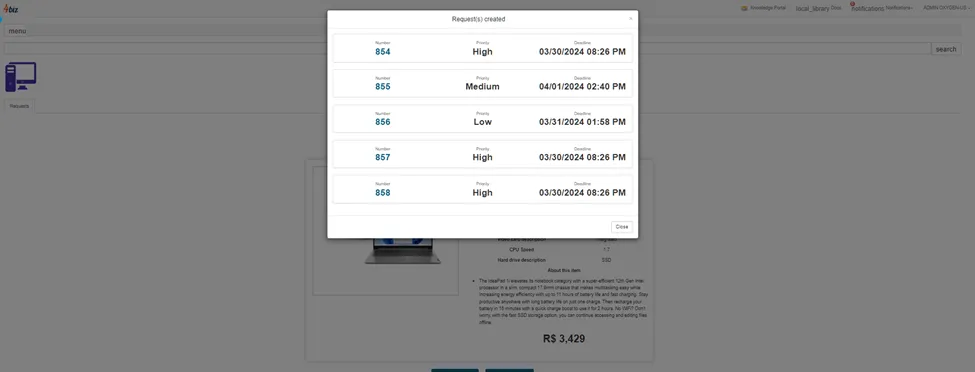
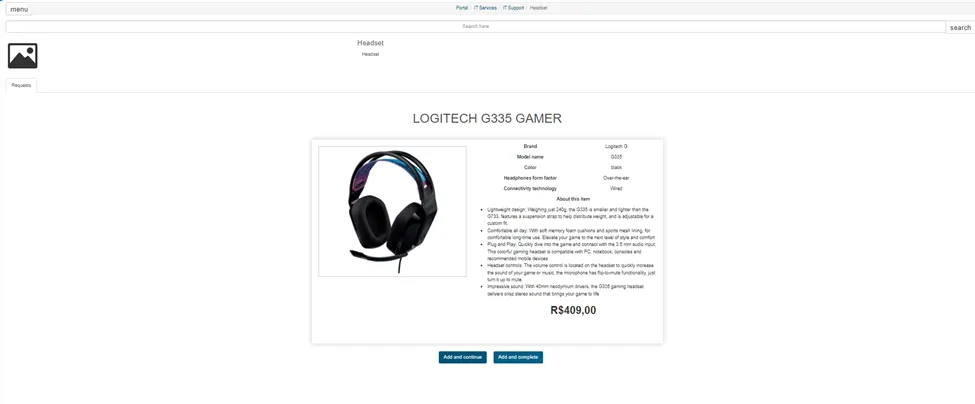
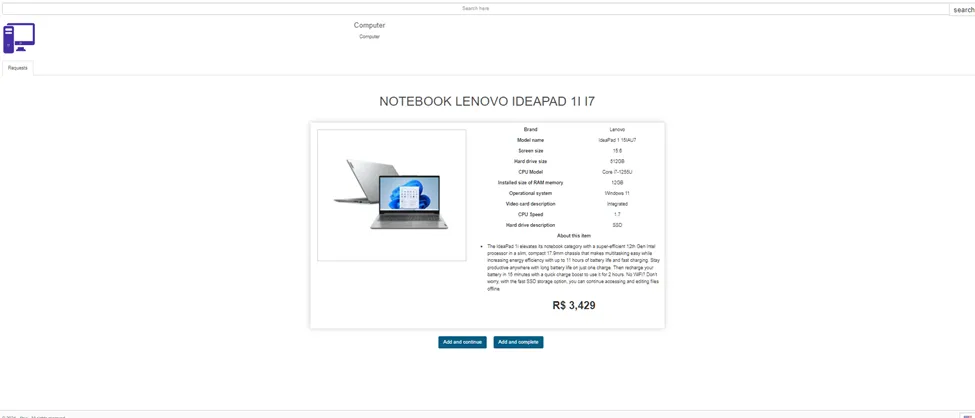
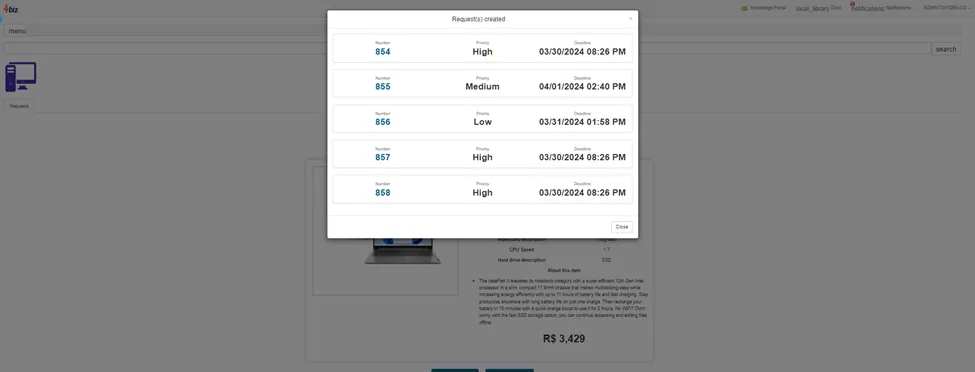
Enables a shopping cart-like capability or request bundling where users can select multiple requests and submit them together
Service Shopping Cart can be used if available for customer.
______________________________________________________________________________________________
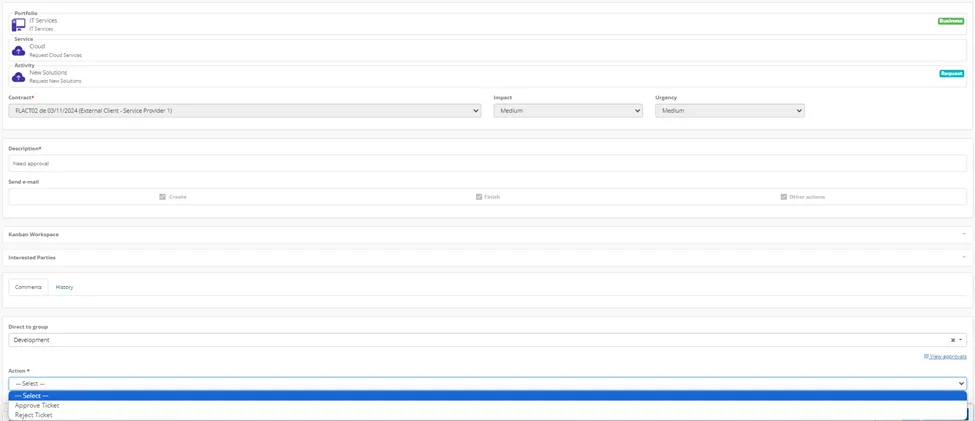
Service and request approvals can be accessed and actioned via the service catalog by designated approver-users.
Based on service requested approval can be defined in workflow.


______________________________________________________________________________________________
Users can request and manage their support needs, via the catalog; this must include, at a minimum:
· The ability to log and submit an incident via the service catalog
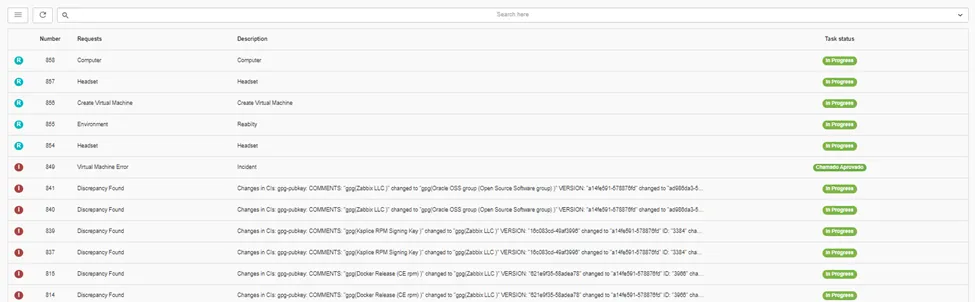
· The ability to view updates and provide additional information for their open incidents
· The ability to engage tech support via chat and for incidents to be logged through this capability, capturing the chat communication in the incident record
· The ability to review the resolution to their incidents and either close it or request that it be re-opened
Yes, it does. Incident and Requests can be submitted via chat, portal, monitoring tools and all resolved requests/incidents can be reopened based on customer criteria
______________________________________________________________________________________________
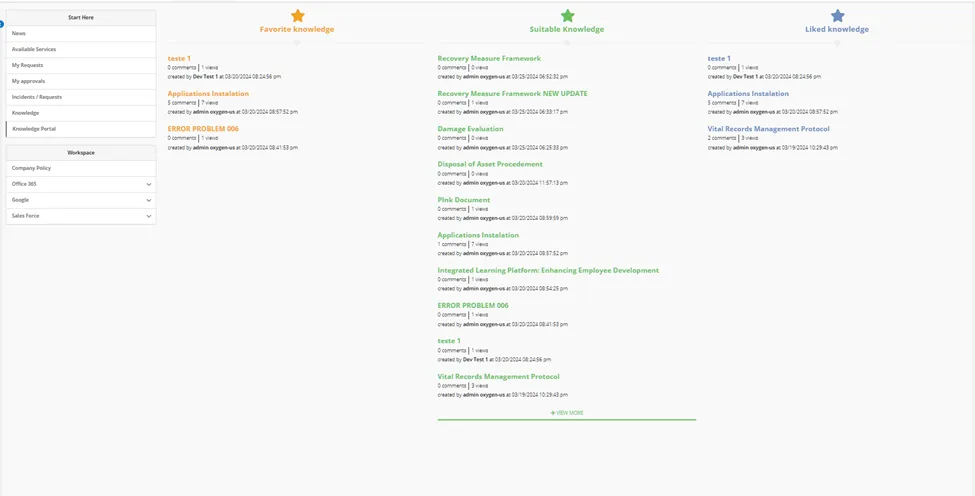
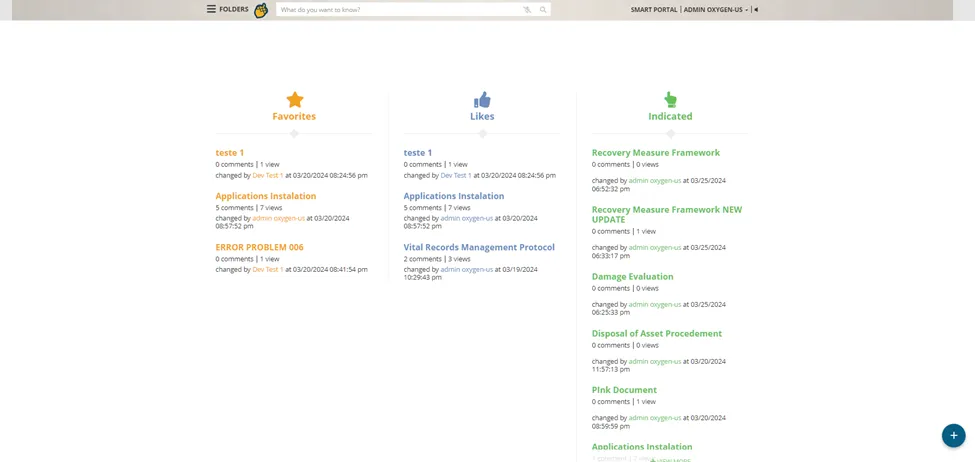
Users can search for knowledge articles and FAQs and can use other self-help capabilities that may be available to them, through the service catalog.
Knowledge base are available for user consume based on their security profile
______________________________________________________________________________________________
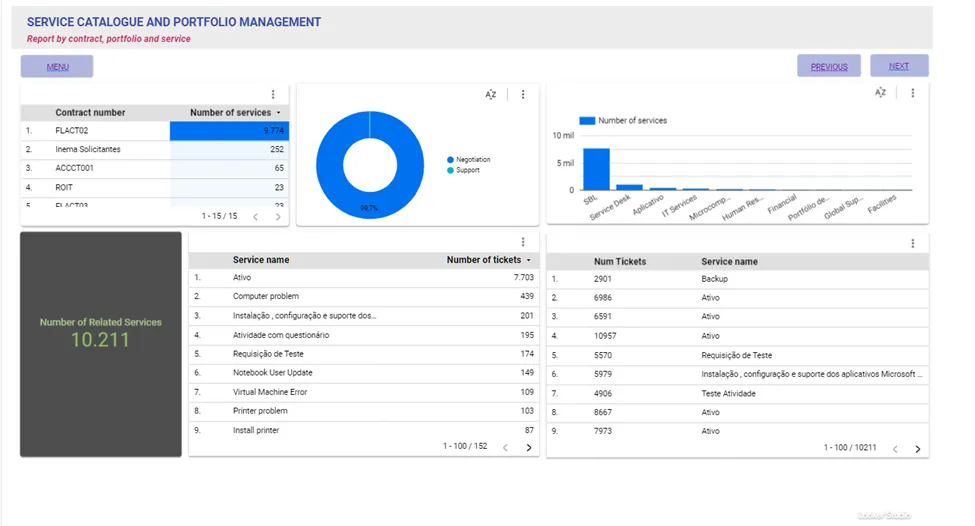
Catalog usage metrics can be captured and reported, as well as a service provider and user feedback regarding the accessibility, quality, and usability of the service catalog.
Service Catalog can be monitored regarding the accessibility, quality, and usability of the service catalog.
______________________________________________________________________________________________
Release and deployment management, and change management capabilities can be used to approve, plan, and perform all revisions to the service catalog itself and the services and information presented in the catalog.
This will require that releases and changes can be linked to service (records). The service catalog itself is handled as a normal technology component subject to change/release.
On service design there are a relationship with change, release, program and products